getDesignGroupSequential()
getDesignInverseNormal()
getDesignFisher()
getDesignConditionalDunnett()Designing Clinical Trials in R with rpact and crmPack
33rd International Biometric Conference, Seoul, South Korea
July 13, 2026
This talk: two examples of open-source software revolution!
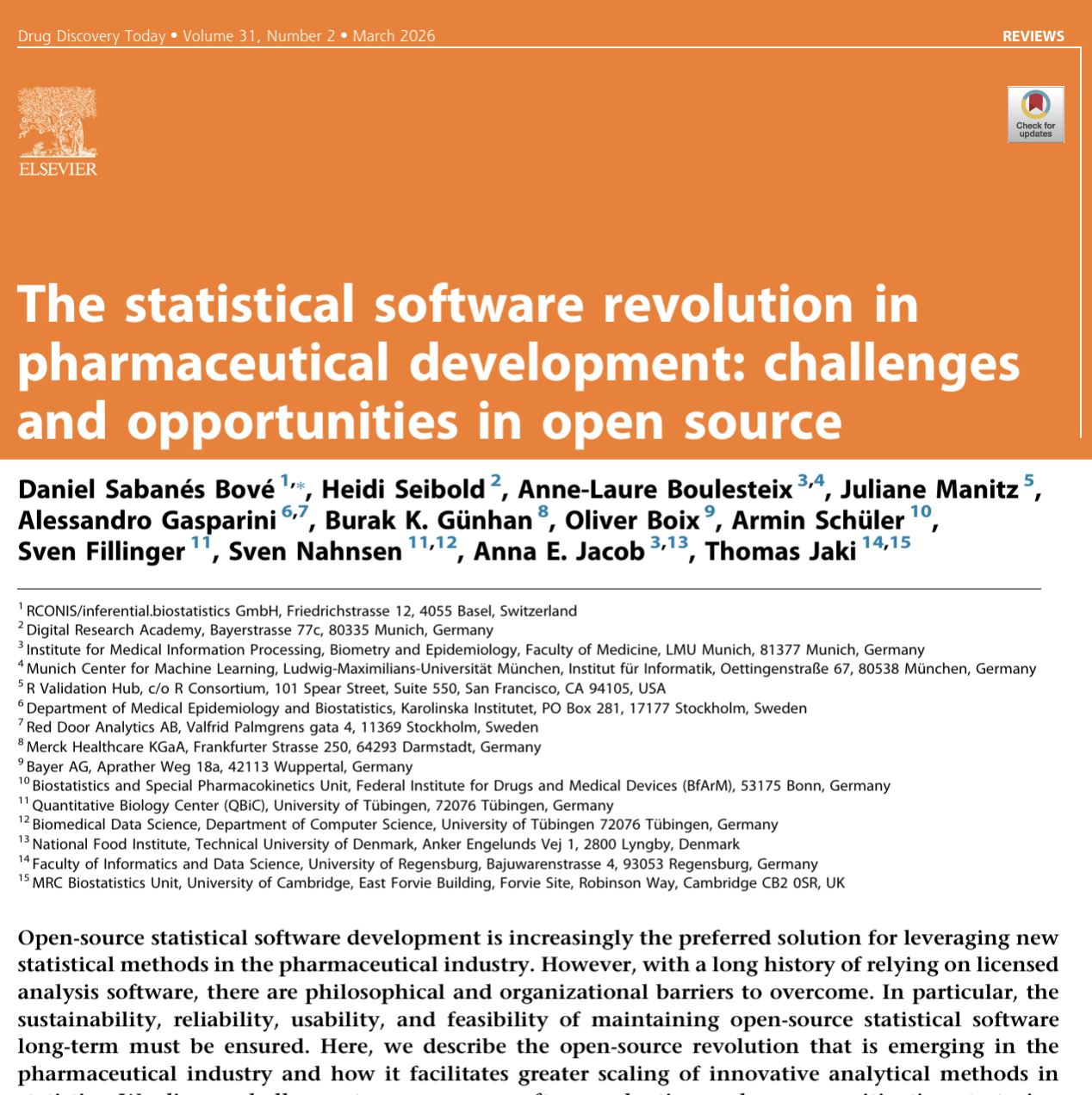
Related: The Rousseeuw Prize for R!

Overview 📦
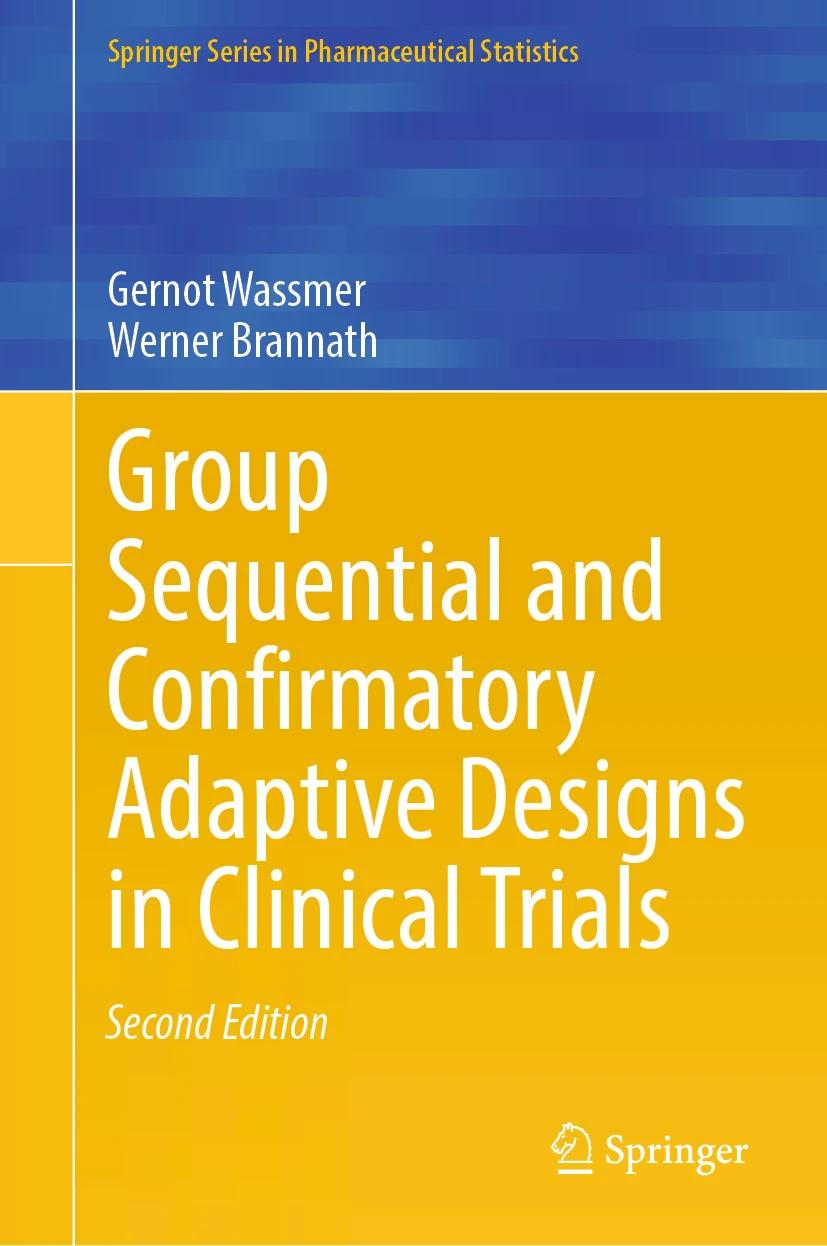
- Comprehensive validated R package implementing methodology described in Wassmer and Brannath (2025)
- Enables the design of traditional and confirmatory adaptive group sequential designs
- Provides interim data analysis including early efficacy stopping and futility analyses
- Enables sample-size reassessment with different strategies
- Enables treatment arm selection in multi-stage multi-arm (MAMS) designs
- Enables subset selection in population enrichment designs
- Provides a comprehensive and reliable sample size calculator
Developed by RPACT 🏢
- RPACT company founded in 2017 by Gernot Wassmer and Friedrich Pahlke
- Idea: open source development with help of “crowd funding”
- Currently supported by \(>\) 20 companies (more than half of top 20 pharma companies included)
- \(>\) 80 presentations and training courses since 2018, e.g., FDA in March 2022
- 31 vignettes based on Quarto and published on rpact.org/vignettes
- 32 releases on CRAN since 2018
- October 2025: Daniel Sabanés Bové joined RPACT as partner



Example: Different Plots
plot(mySampleSizeSummary, type = 1)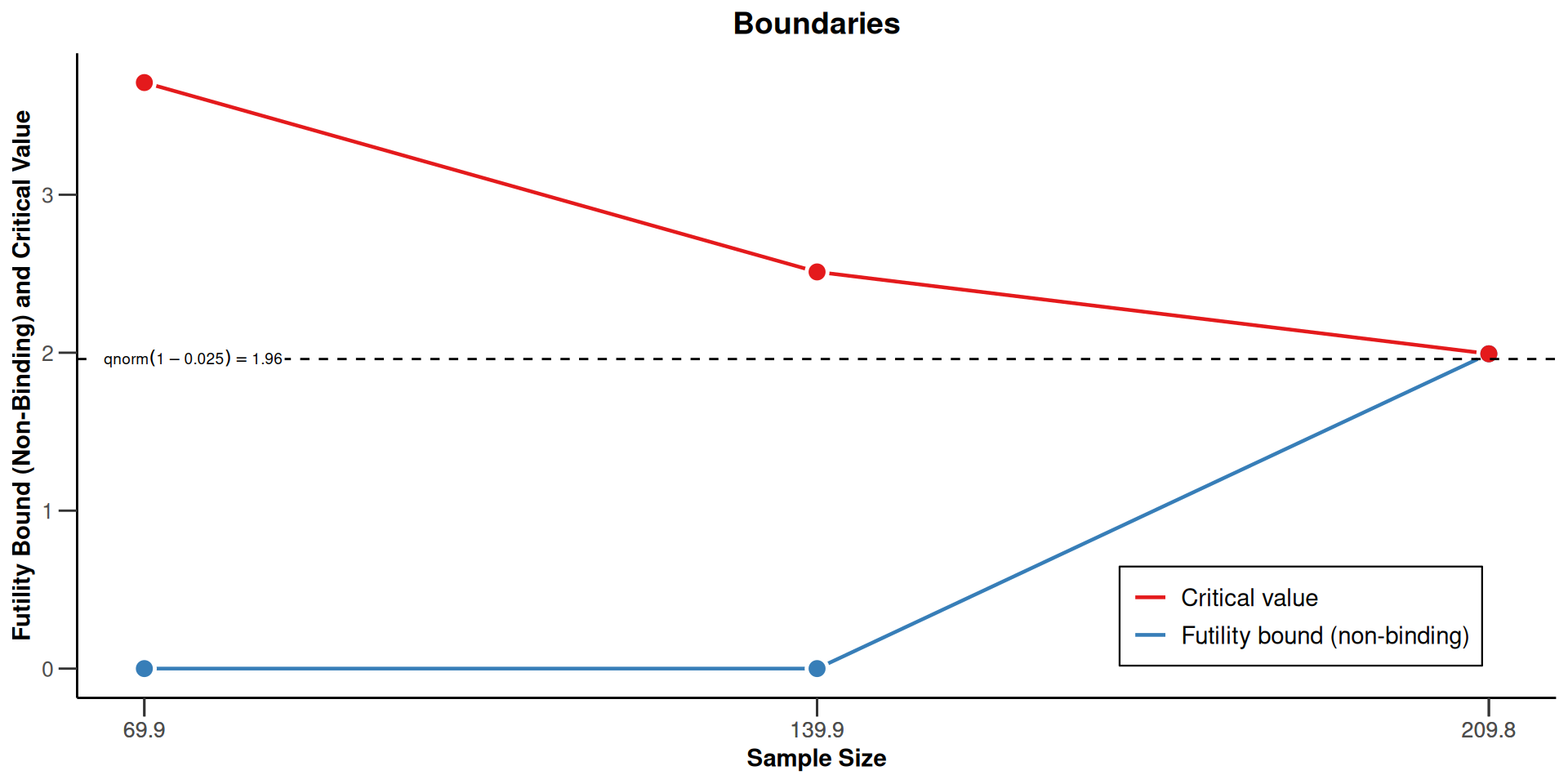
Example: Different Plots (cont’d)
plot(mySampleSizeSummary, type = 2)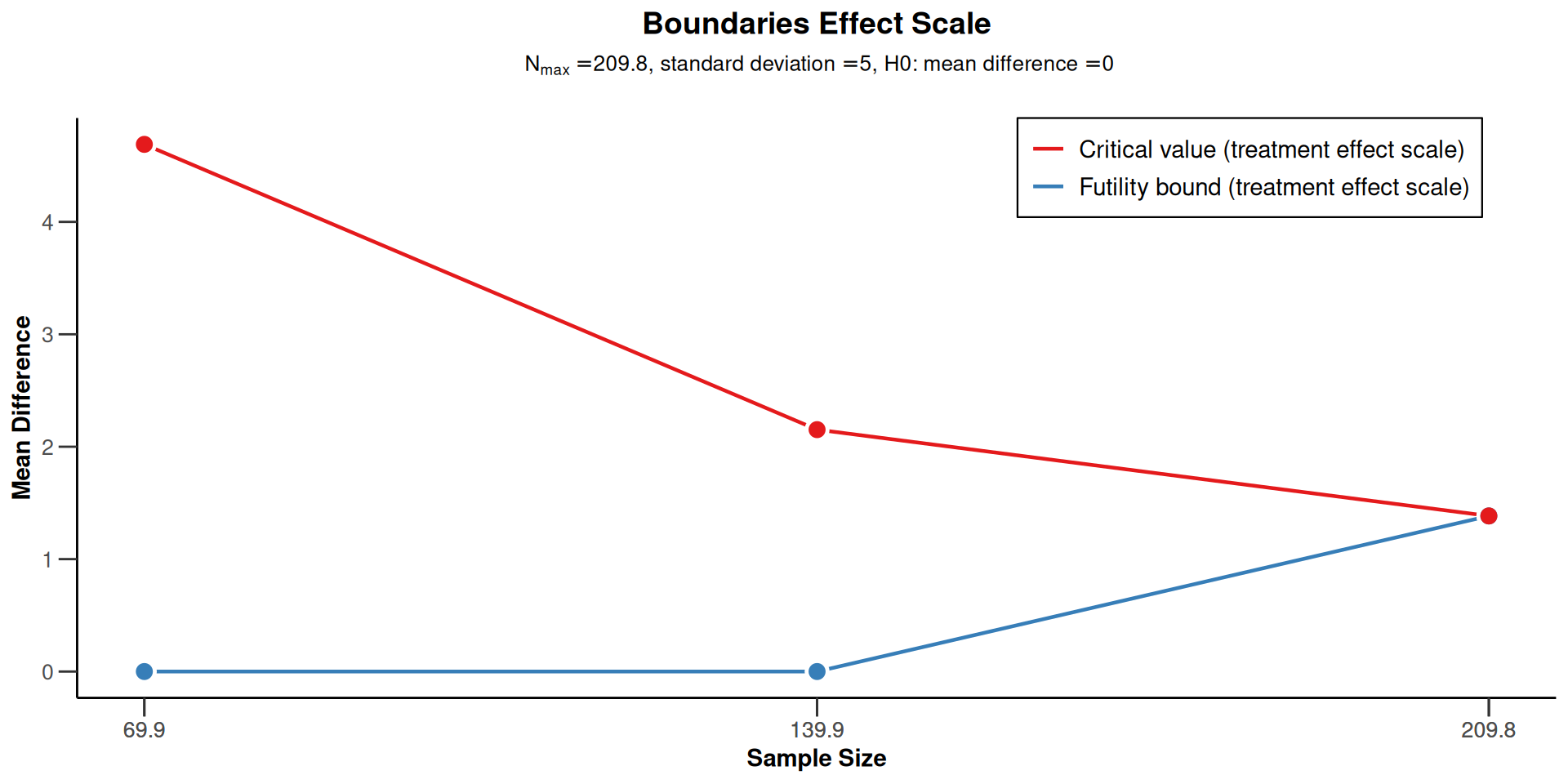
Example: Different Plots (cont’d)
plot(mySampleSizeSummary, type = 3)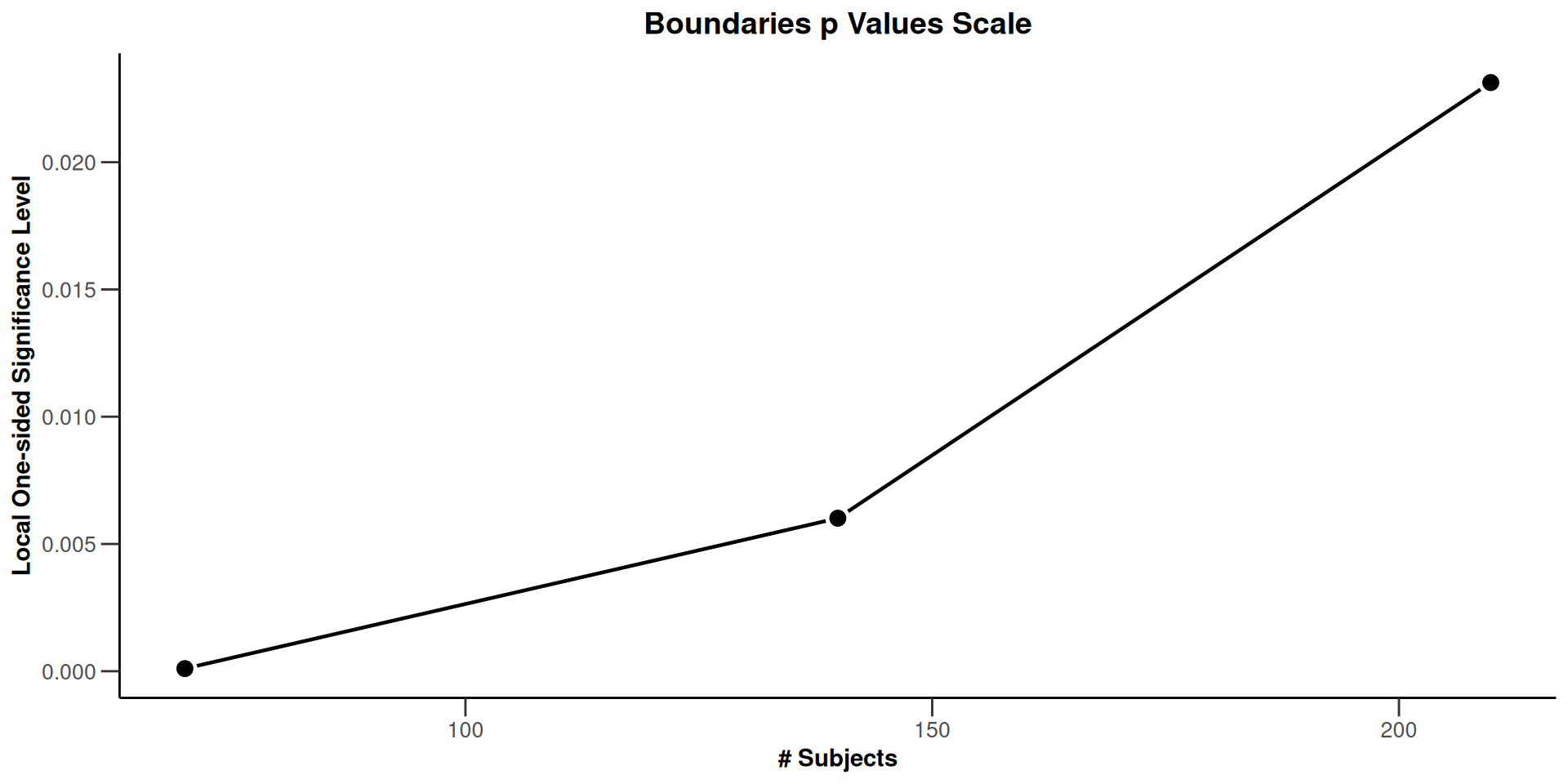
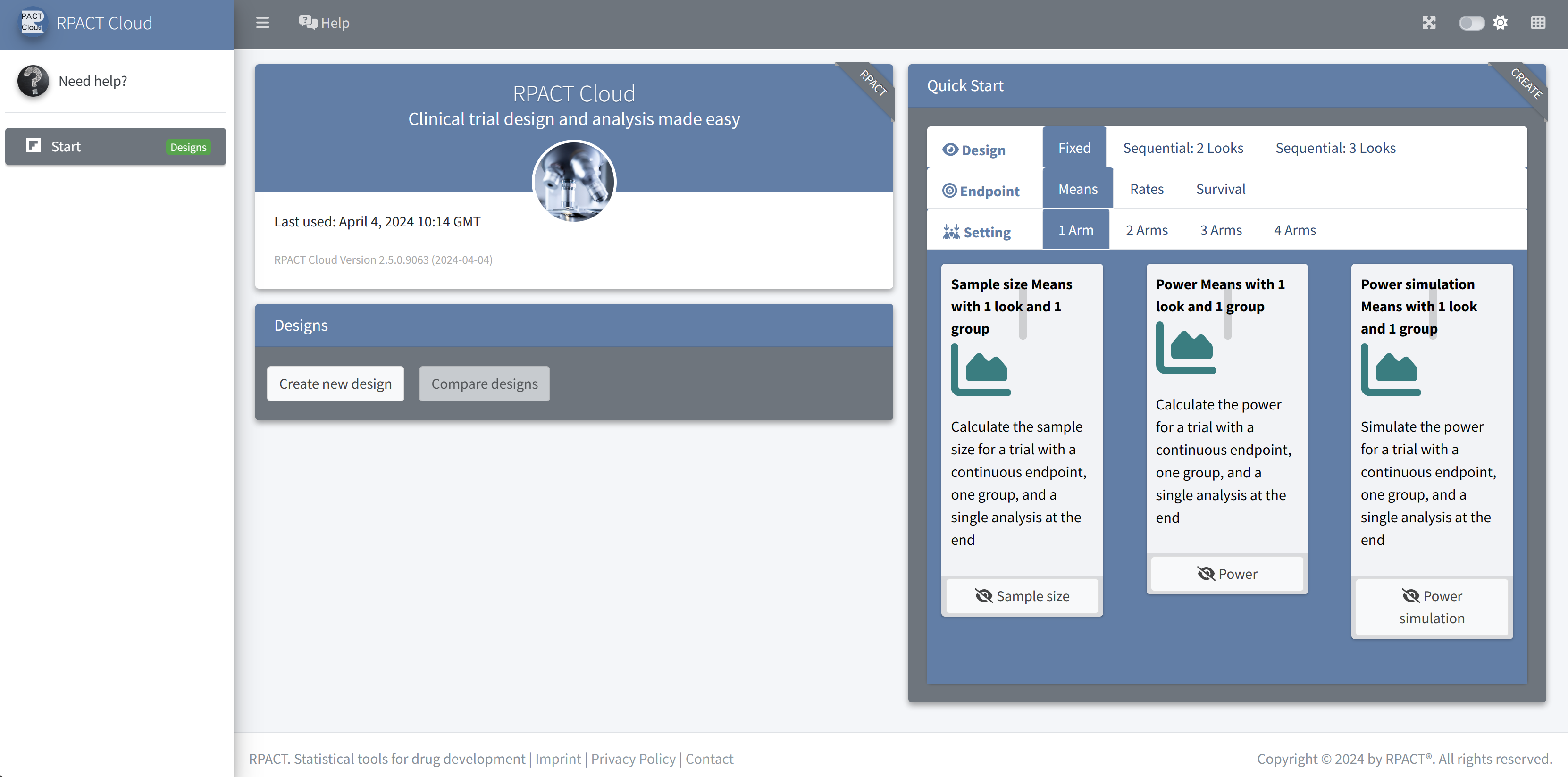
Start Page
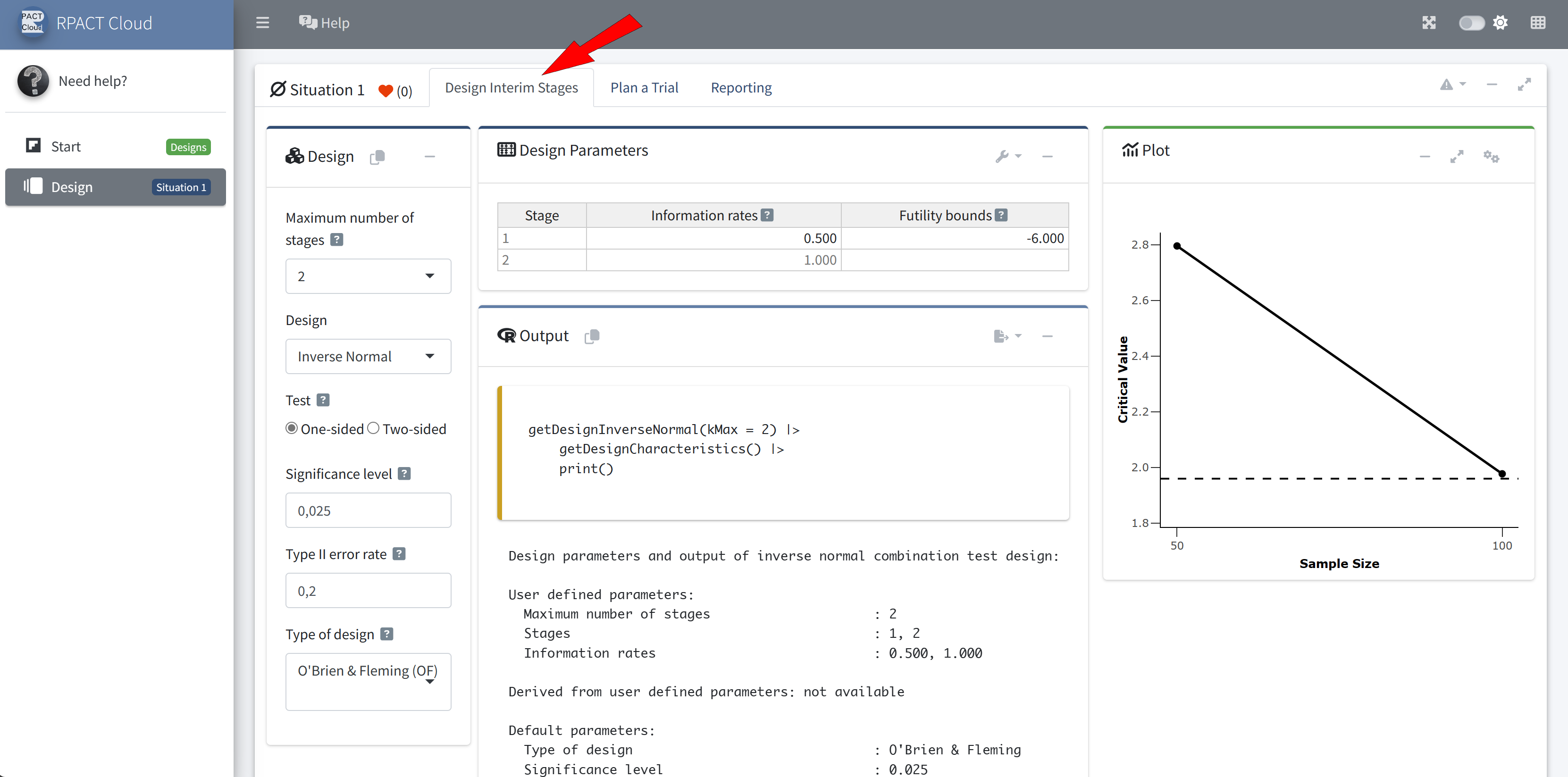
Design
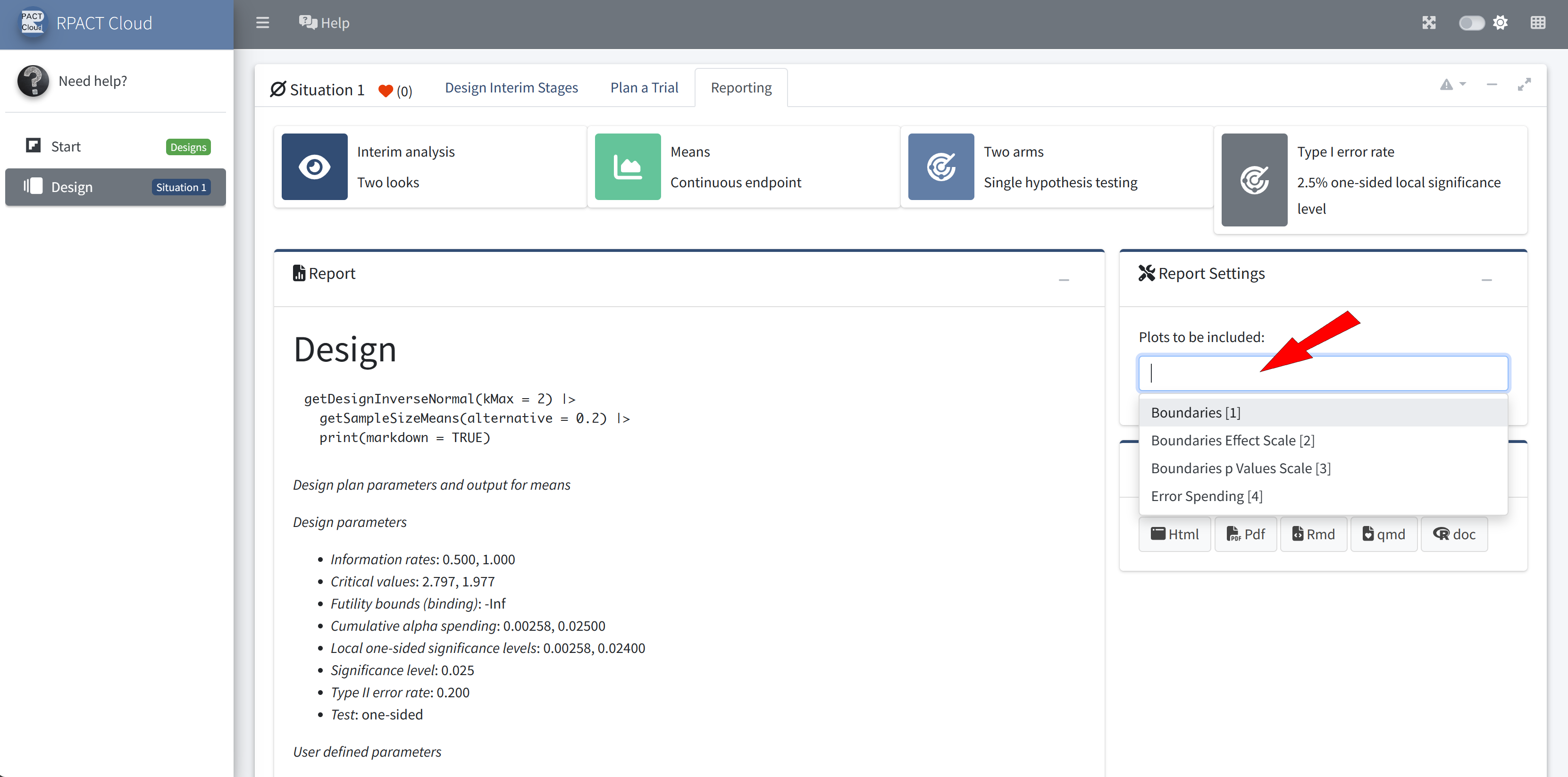
Reporting
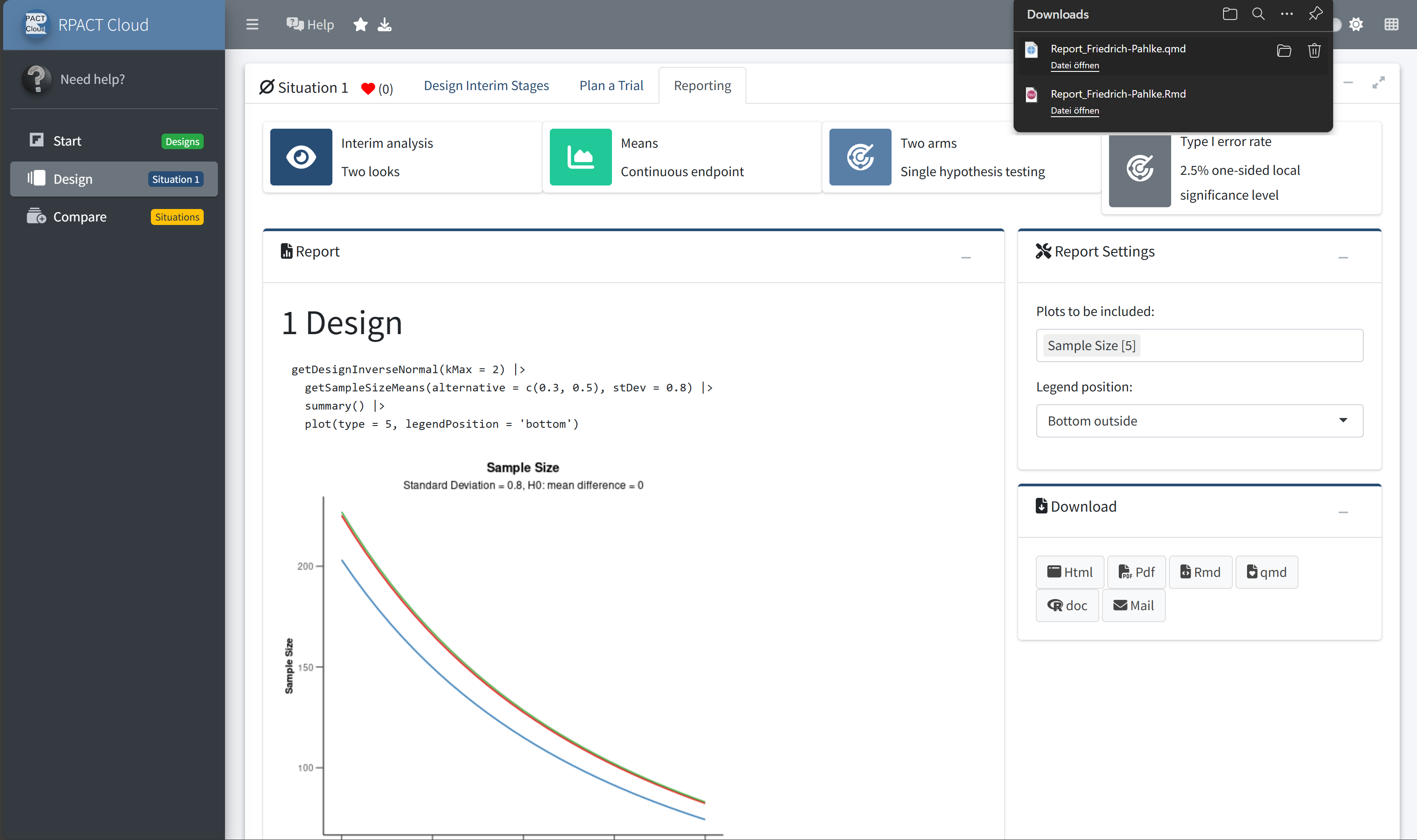
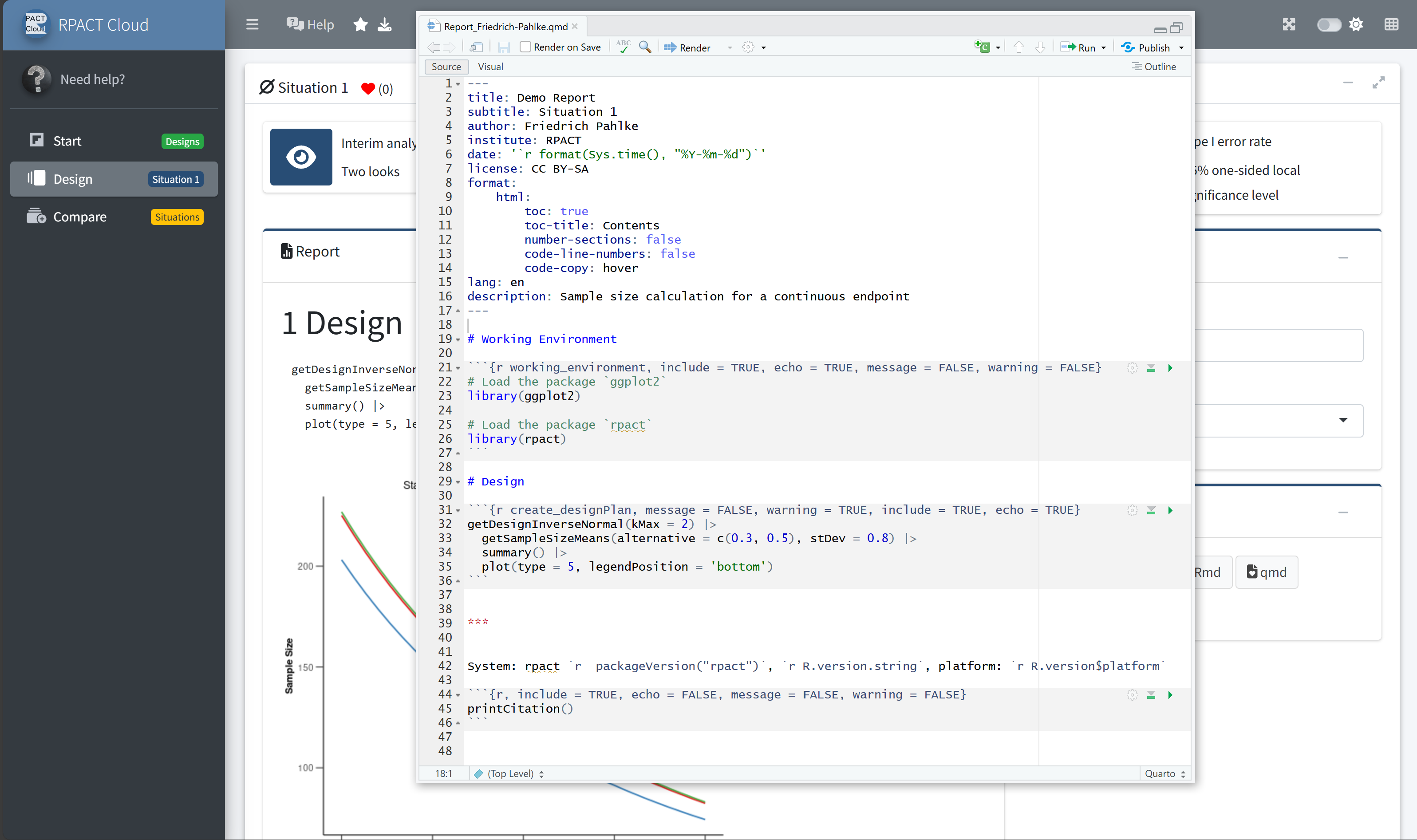
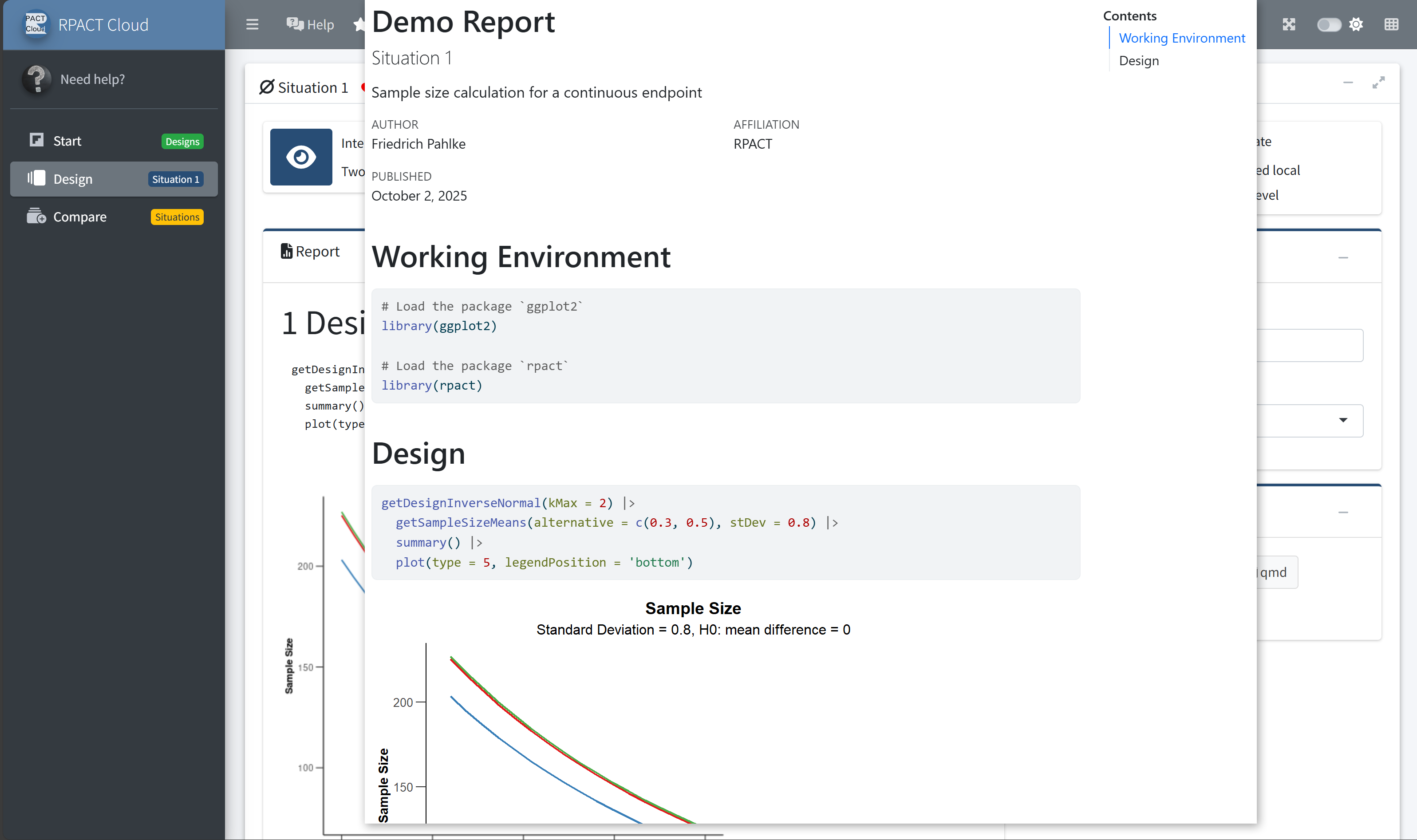
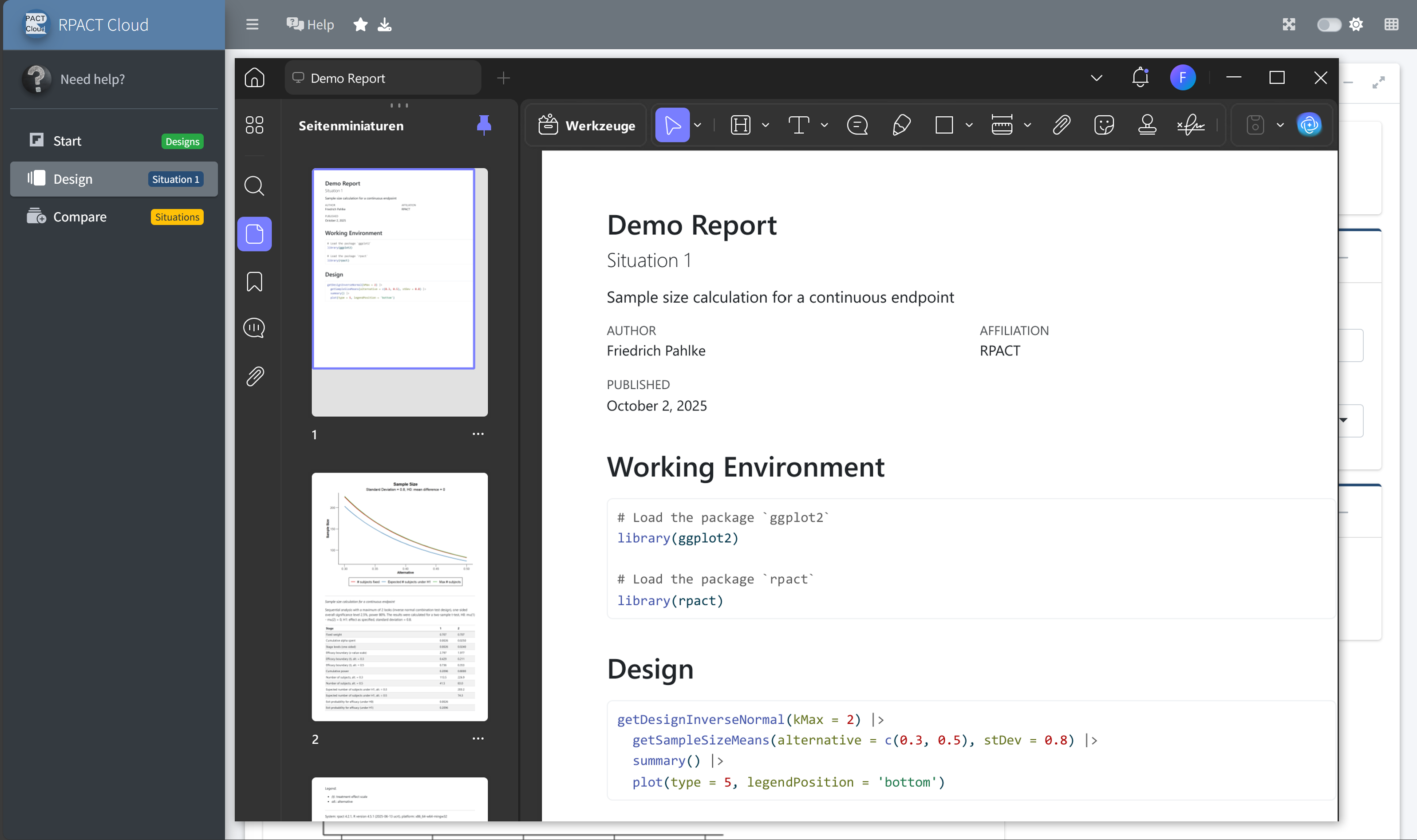
Design Comparison
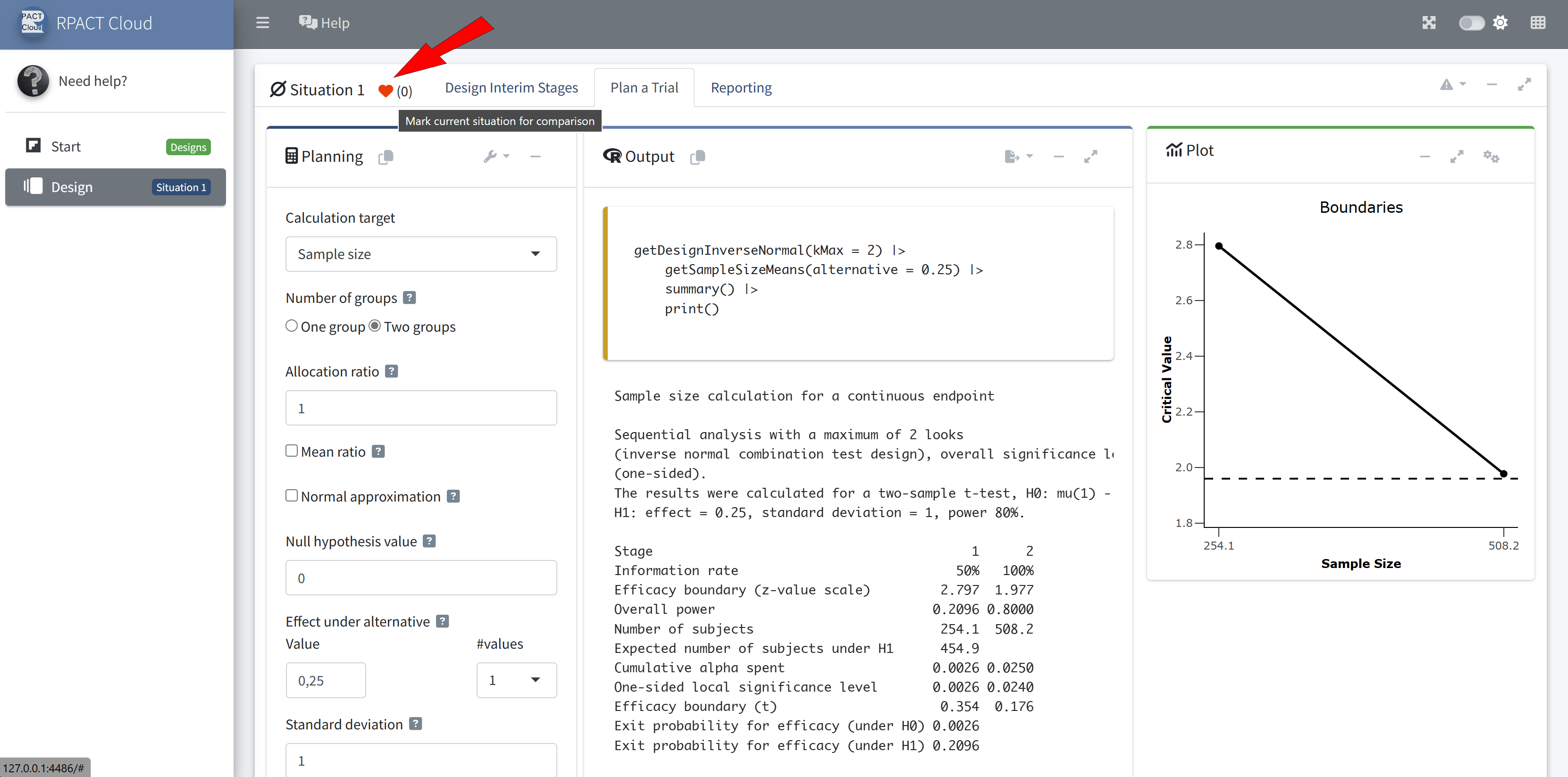
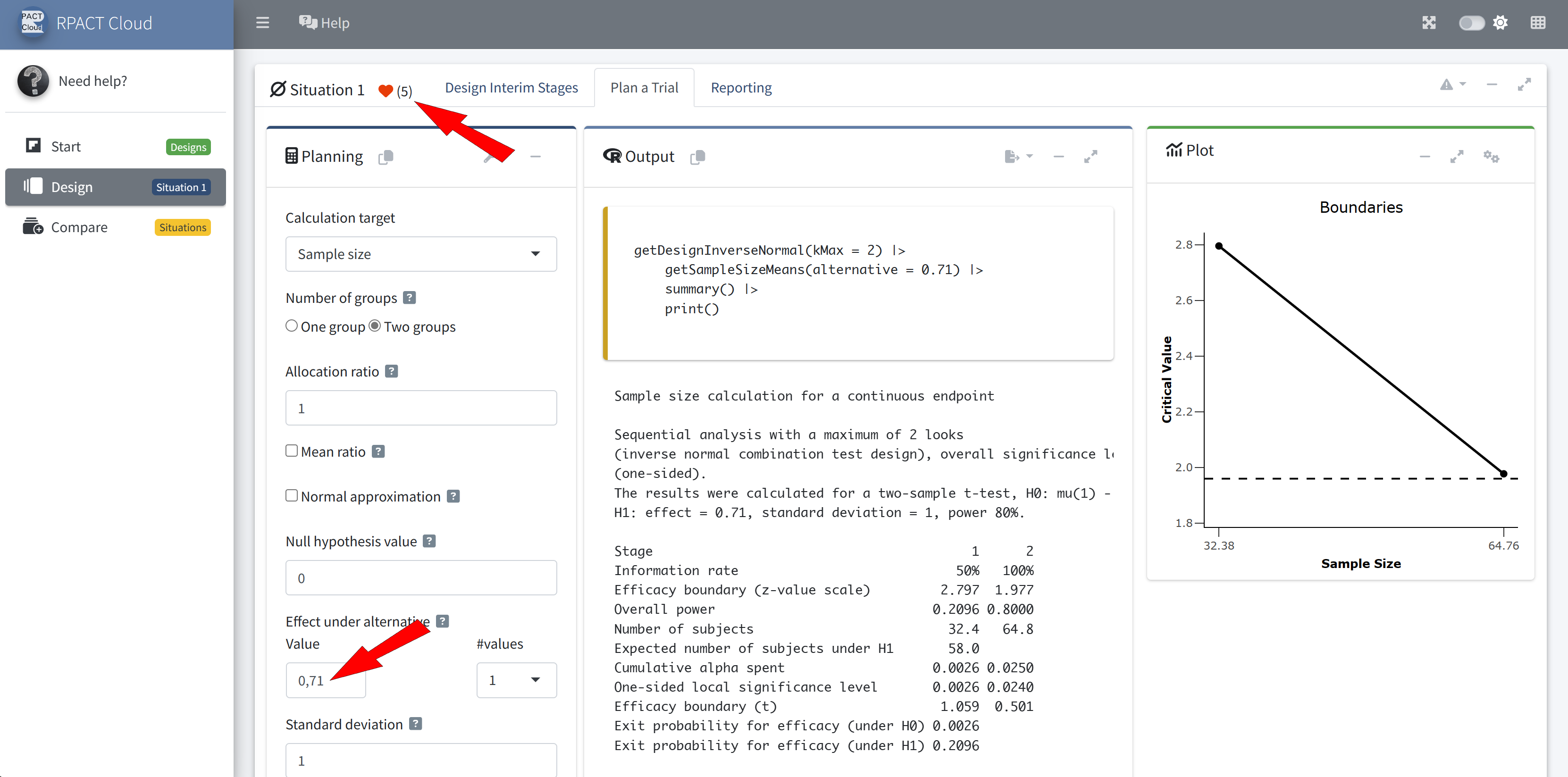
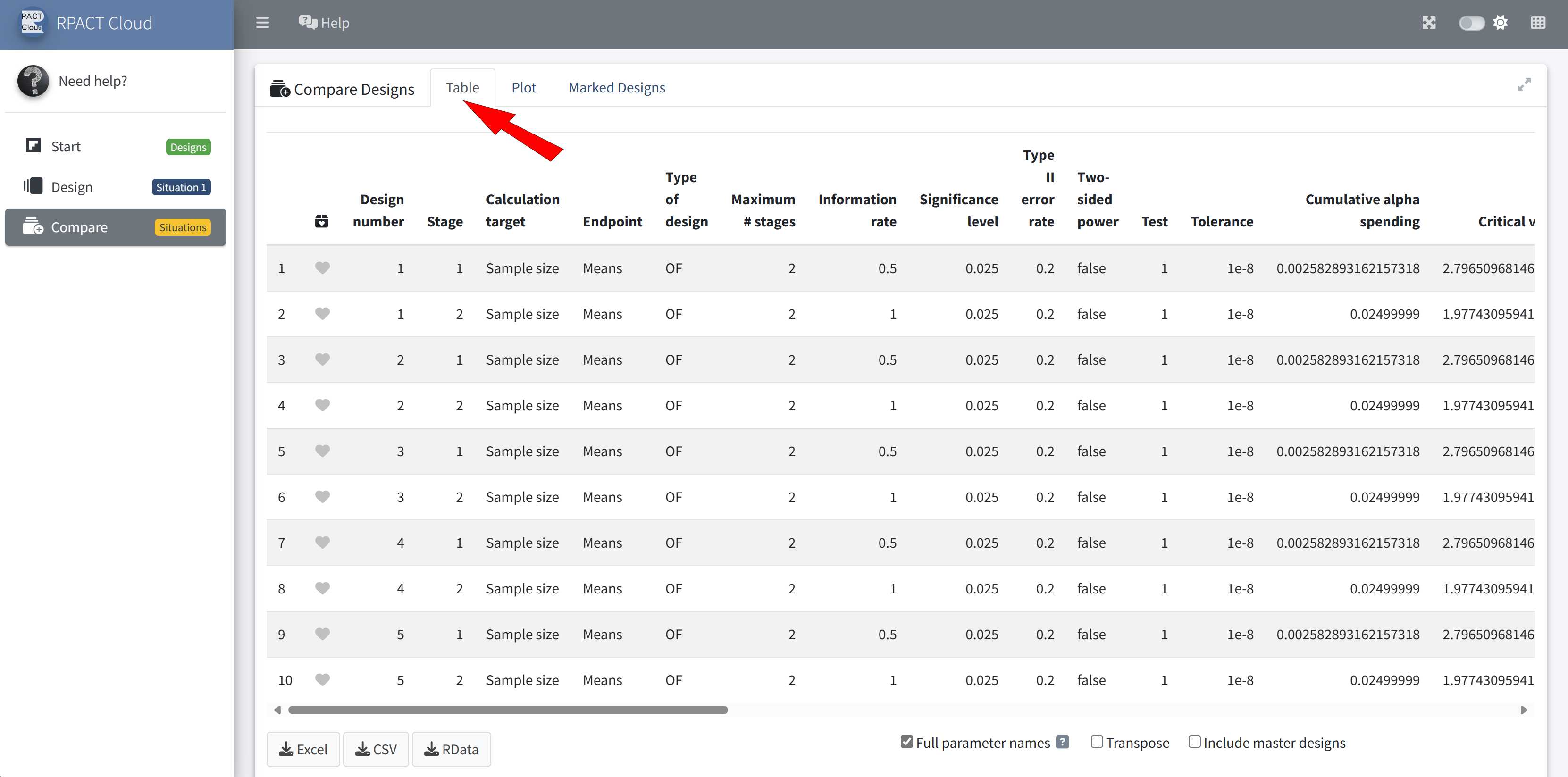
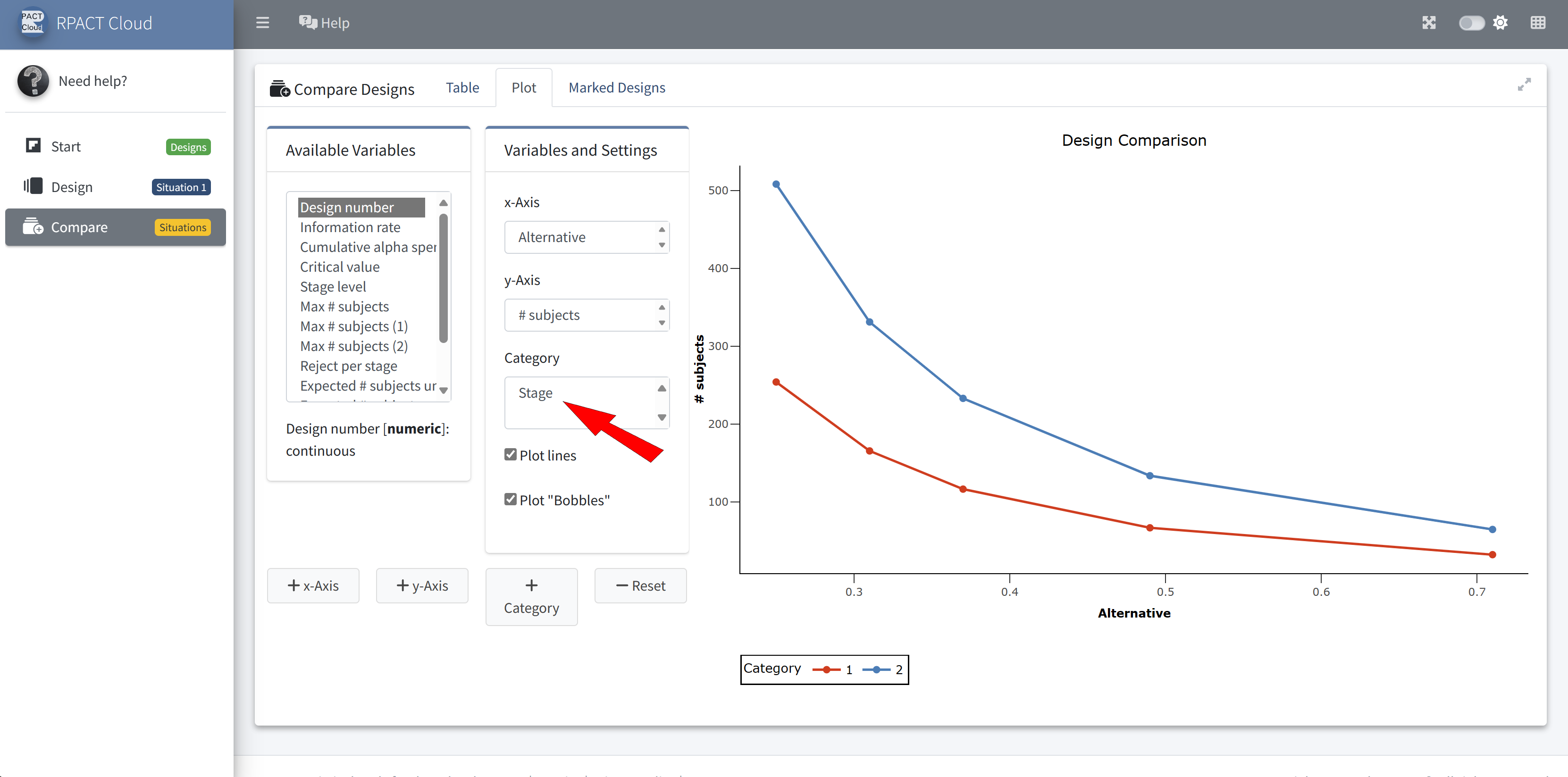
Overview 📦
- Specialized R package for dose escalation trials
- Initial CRAN release in 2016, publication by Sabanés Bové et al. (2019)
- Higher flexibility compared to other software, thanks to its modular design
- Easy extensibility and adoption of new designs
- Produces visual and numeric outputs for easy interpretation
- Facilitates simulations to assess the performance under various scenarios
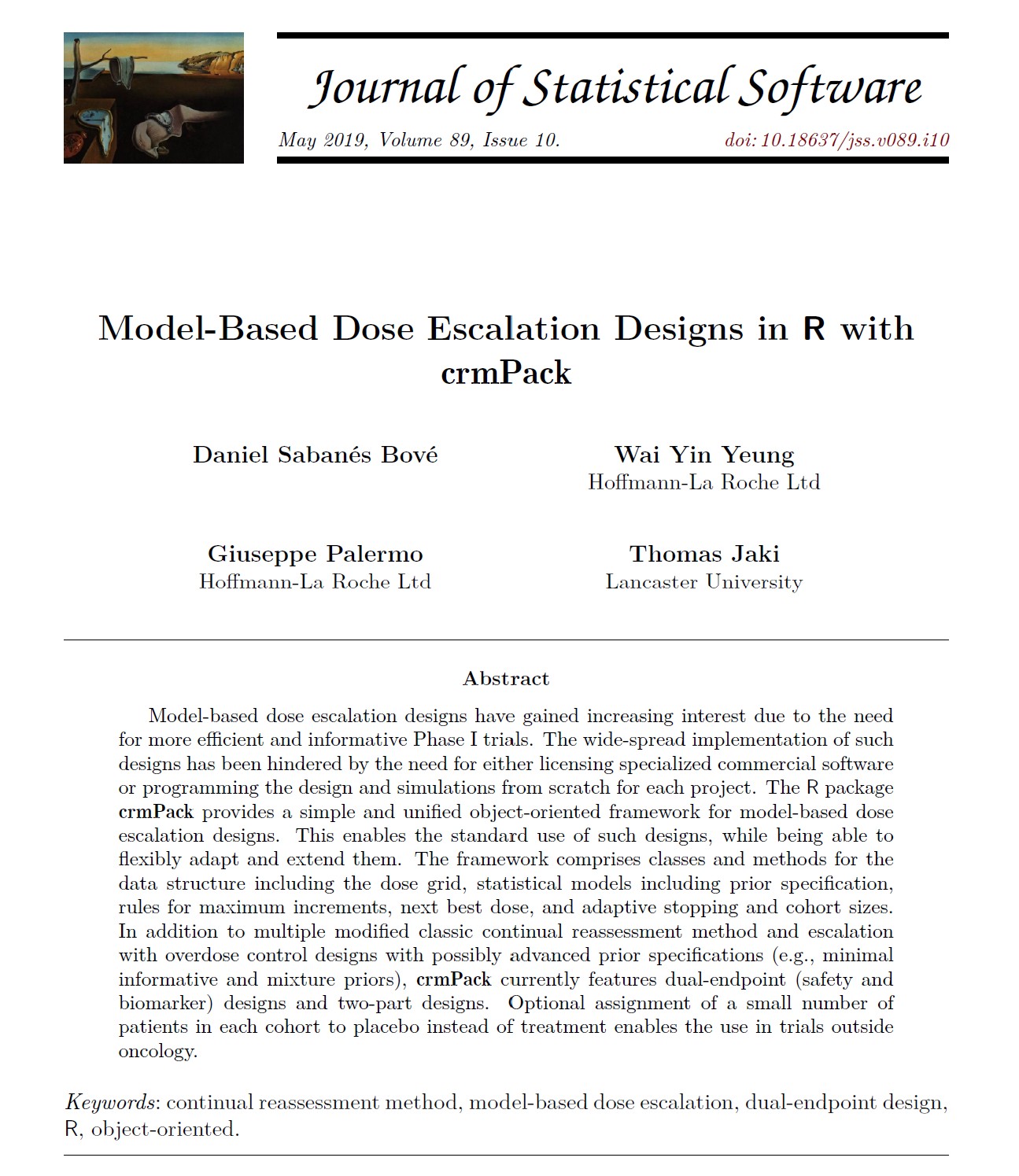
Framework
crmPack provides a highly flexible framework for the design and analysis of dose escalation trials. This schematic illustrates the framework’s key components and their interactions:
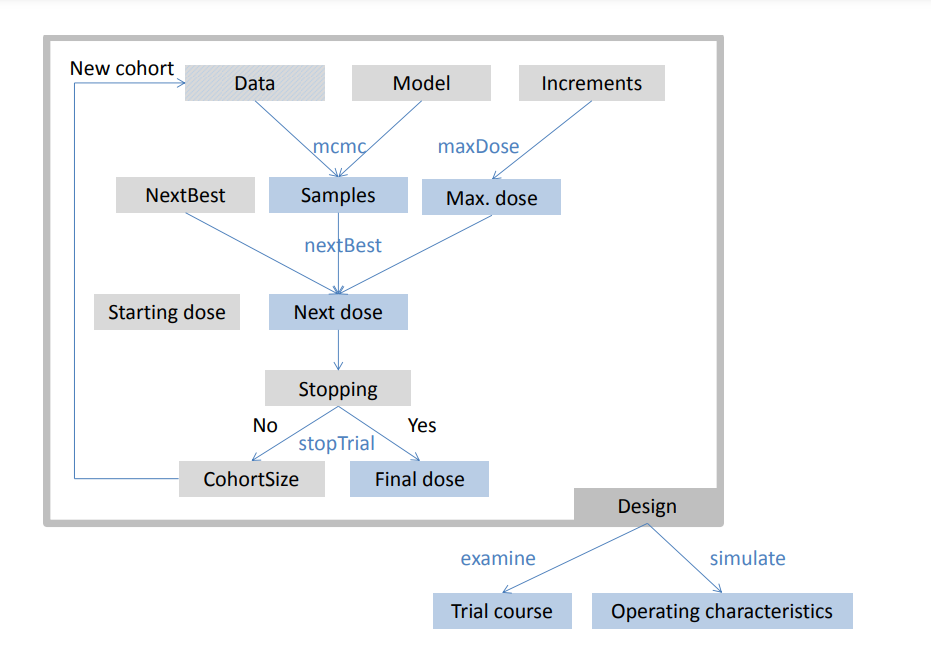
crmPack Framework
Different Plots
plot(sims)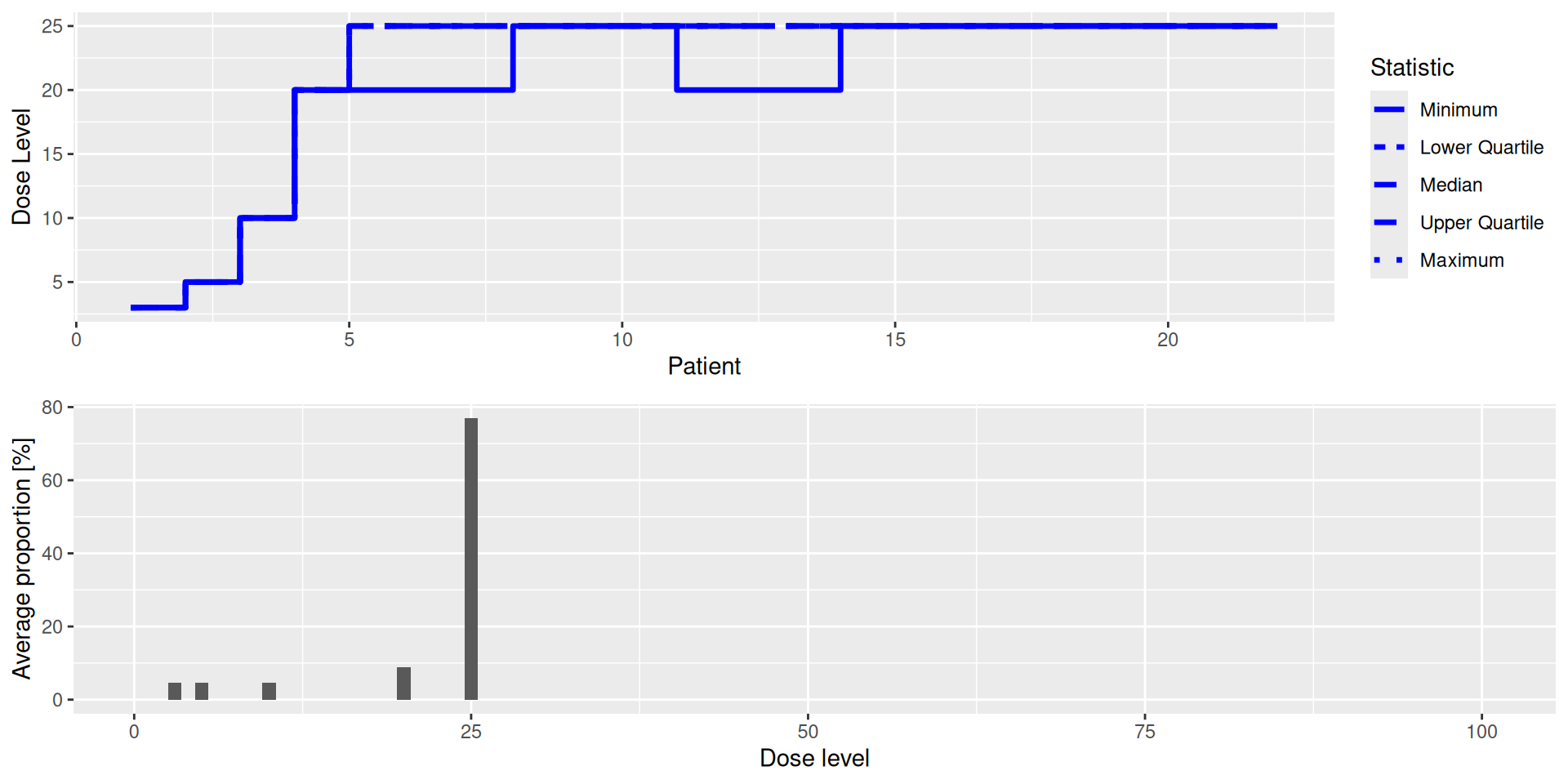
Different Plots (cont’d)
summary(sims, truth = truth) |> plot()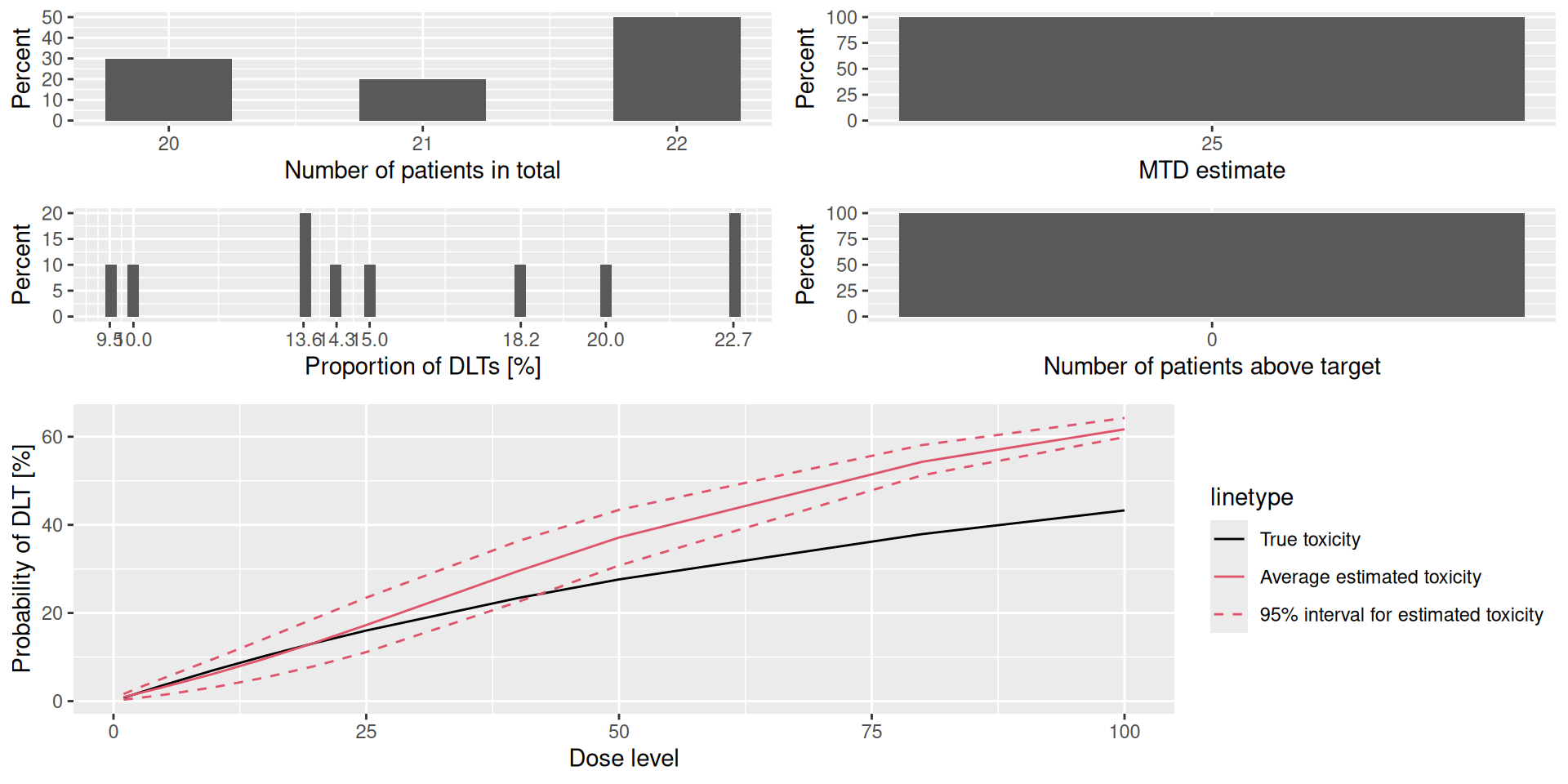
Thank you and please ask me questions 😄
Please scan to access these slides: ibc.presentation.2026.rpact.com

Emerson, Scott. 2000. S+SeqTrial Technical Overview. Insightful Corporation. https://www.msi.co.jp/splus/addon/pdf/seqtech.pdf.
Sabanés Bové, Daniel, Wai Yin Yeung, Giuseppe Palermo, and Thomas Jaki. 2019. “Model-Based Dose Escalation Designs in R with crmPack.” Journal of Statistical Software 89 (10): 1–22. https://doi.org/10.18637/jss.v089.i10.
Wassmer, Gernot, and Werner Brannath. 2025. Group Sequential and Confirmatory Adaptive Designs in Clinical Trials. Springer. https://link.springer.com/book/10.1007/978-3-031-89669-9.
Wassmer, Gernot, and Friedrich Pahlke. 2025. rpact: Confirmatory Adaptive Clinical Trial Design and Analysis. https://CRAN.R-project.org/package=rpact.